Canadian Interior Material Trends 2026 | PHOMI Canada | Phomi Canada
PHOMI journal
6 Interior Material Trends Shaping Canadian Homes in 2026
Explore six interior material trends shaping Canadian homes in 2026, from textured feature walls and earthy colours to nature-inspired finishes and climate-conscious design. Discover how PHOMI's MCM architectural panels fit into these evolving design directions.
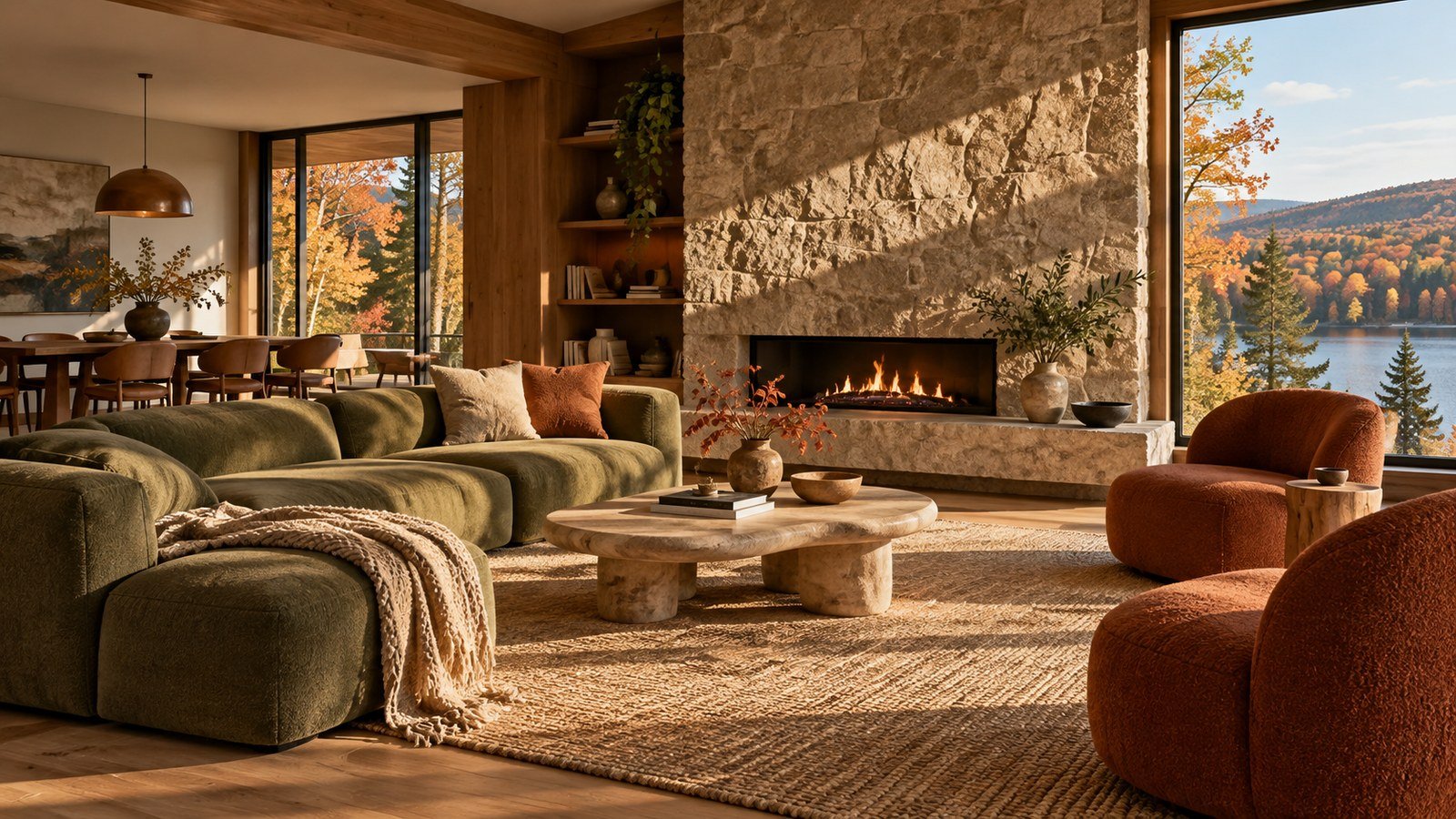
Canadian interiors are moving away from cold, minimal, all-white spaces toward rooms that feel warmer, more textured, and more personal. In 2026, designers are embracing natural-looking materials, earthy colours, and architectural finishes that bring character to residential and commercial spaces.
Here's a closer look at six trends influencing Canadian interiors and how PHOMI's Modified Clay Material (MCM) panels can complement them.
6 Interior Design Trends Defining 2026
1. Texture Returns to the Walls
After years of minimalist interiors, textured wall finishes are making a comeback. Stone-inspired surfaces, decorative panels, bold wallpapers, and patterned finishes are introducing depth and visual interest.
According to Inner City Infills, texture and pattern are prominent directions in Canadian interior design for 2026.
Where PHOMI fits: PHOMI offers stone, brick, wood, weaving, and rattan-inspired MCM finishes, giving designers options for creating distinctive feature walls and architectural surfaces.
2. Earthy Colours Create Warmer Spaces
Cool greys and stark whites are giving way to olive green, terracotta, soft beige, taupe, and warm caramel.
These natural-looking shades create welcoming interiors and complement wood furniture, textured walls, and contemporary architectural details.
RE/MAX Canada highlights earthy palettes as a defining element of Canadian home design in 2026.
Where PHOMI fits: PHOMI's catalogue includes a variety of warm neutrals, stone-inspired patterns, and decorative textures that can complement earth-toned interiors.
3. Biophilic Design Goes Beyond Plants
Biophilic design focuses on strengthening the connection between people and nature through natural light, organic forms, greenery, and nature-inspired materials.
Rather than relying only on indoor plants, designers are incorporating clay-inspired finishes, stone textures, and wood aesthetics directly into architectural spaces.
Where PHOMI fits: PHOMI MCM technology uses natural clay and stone powder to create architectural surfaces. Its material-inspired finishes can support nature-focused interior design concepts.
4. Sustainable Material Choices Become a Priority
Sustainability is increasingly part of conversations about interior finishes and construction materials.
Canadian homeowners and designers are paying closer attention to durability, responsible sourcing, maintenance, and environmental considerations.
As Baeumler Approved notes, sustainable material selection and long-term performance are important priorities in Canadian renovation trends.
Where PHOMI fits: PHOMI positions its MCM technology as a lightweight architectural cladding solution. Environmental comparisons should be based on verified product-specific documentation rather than general sustainability claims.
5. Materials Must Suit Canadian Conditions
Canada's climate makes material selection especially important. Exterior cladding must be evaluated for relevant moisture exposure, temperature changes, and freeze-thaw conditions.
Interior finishes also require appropriate selection based on their location, maintenance needs, and applicable building regulations.
Where PHOMI fits: PHOMI provides MCM products for interior and exterior applications. Designers and builders should review the relevant technical documentation and installation requirements before specifying products for particular Canadian conditions.
6. Personal Expression Replaces Perfect Minimalism
Highly polished, uniform interiors are making room for more individual spaces.
Designers are combining vintage furniture, handcrafted objects, contrasting textures, and statement walls to create interiors that feel personal rather than generic.
Where PHOMI fits: PHOMI's range of marble, travertine, stone, brick, and woven-inspired finishes gives designers multiple visual directions for personalized feature walls.
Why PHOMI MCM Panels Are Worth Exploring
PHOMI's Modified Clay Material (MCM) technology offers architectural surfaces designed to combine lightweight, flexible material characteristics with a broad selection of decorative finishes.
For designers exploring textured interiors, PHOMI provides options inspired by familiar materials without presenting those finishes as solid natural stone, brick, or timber.
The right product depends on the intended application, substrate, installation system, and required technical performance.
What wall finishes are trending in Canada in 2026?
Textured stone-look surfaces, warm neutral finishes, wood-inspired details, decorative wall panels, and nature-inspired materials are among the prominent design directions.
Are MCM panels suitable for Canadian homes?
PHOMI offers MCM panels for architectural applications, including interior wall finishes. Suitability for a specific project depends on the selected product, installation conditions, and applicable technical requirements.
A More Natural Direction for Canadian Interiors
The defining direction of interior design in 2026 is warmth, texture, personality, and thoughtful material selection.
Whether renovating a family home or designing a commercial environment, choosing the right architectural surfaces can help transform a space.
Discover more design possibilities with PHOMI Canada.