
Design & interiors
Designers & Trends: What's Shaping Canadian Interiors
Interior designer do more than choose colors and furniture. They turn a floor plan into a space that works for the people using it, and they catch problems early, before they turn into costly changes on site.
2 min readPHOMI Canada
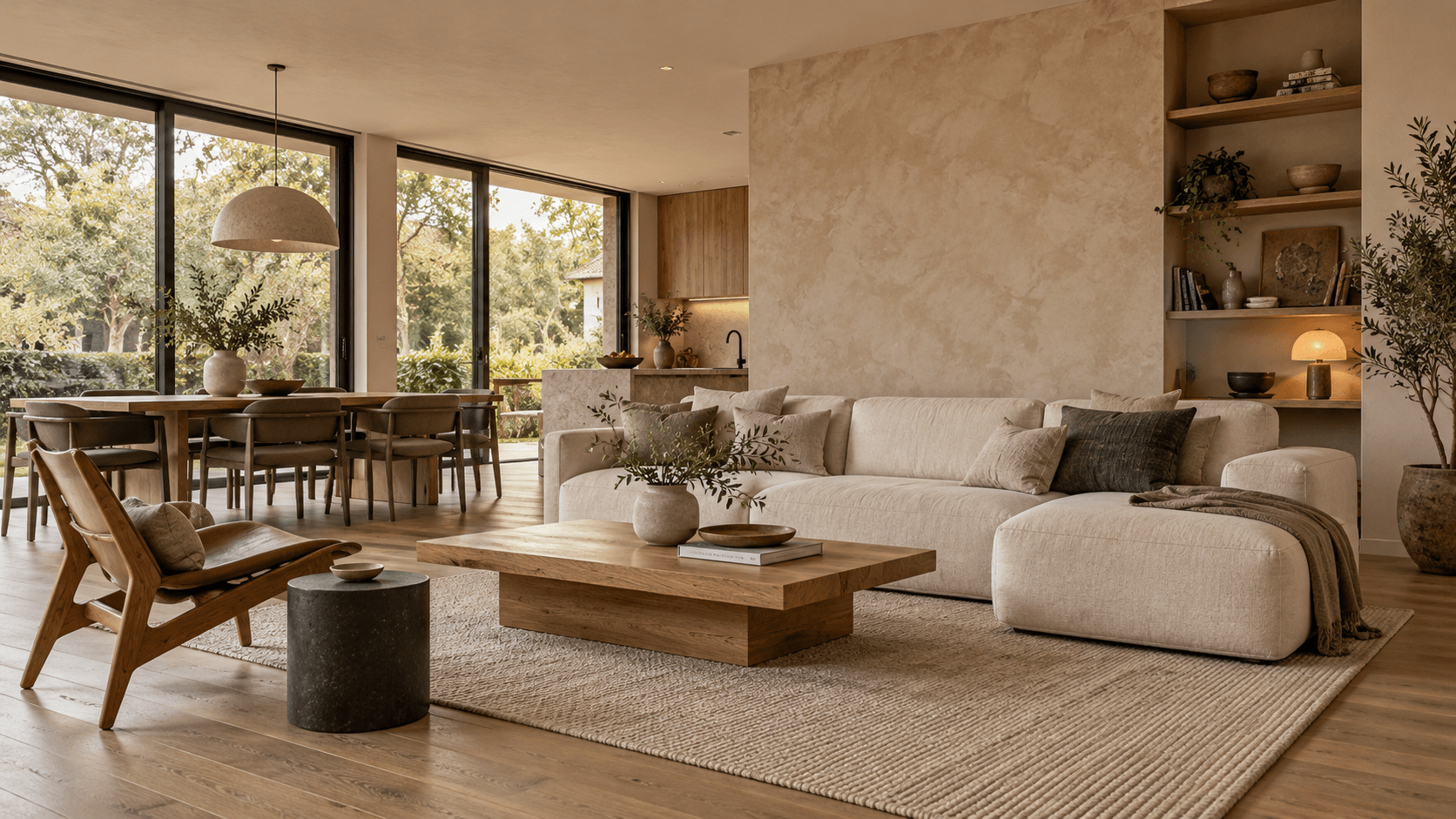
In commercial spaces, designs directly affects how businesses runs. A restaurant's layout shapes how guests move and how staff work. A retail store's finishes tell customers what the brand stands for before anyone says a word. In offices, hotels and clinics, designers balance appearance with building codes, fire ratings, durability under heavy traffic, and maintenance costs over years of use. They also coordinate with architects, contractors and suppliers, which keeps projects closer to schedule and budget.
In homes, a designer helps owners make confident decisions. Renovations involve hundreds of choices, and mistakes are expensive to undo. Designers bring a trained eye for proportion, light and materials, and they often know which products hold up and which only look good in a showroom. The result is a home that feels personal and still works for daily life.
Hiring a designer is an added cost, and not every project needs one. On larger renovations, new builds and commercial fit-outs, though, their input usually pays for itself through fewer revisions, better use of space and finishes that last.
At Phomi Canada, we work closely with designers because they understand materials better than anyone. Our panels give them more options: the look of stone, brick or wood, in a lighter and more sustainable format that works where traditional materials can't.